
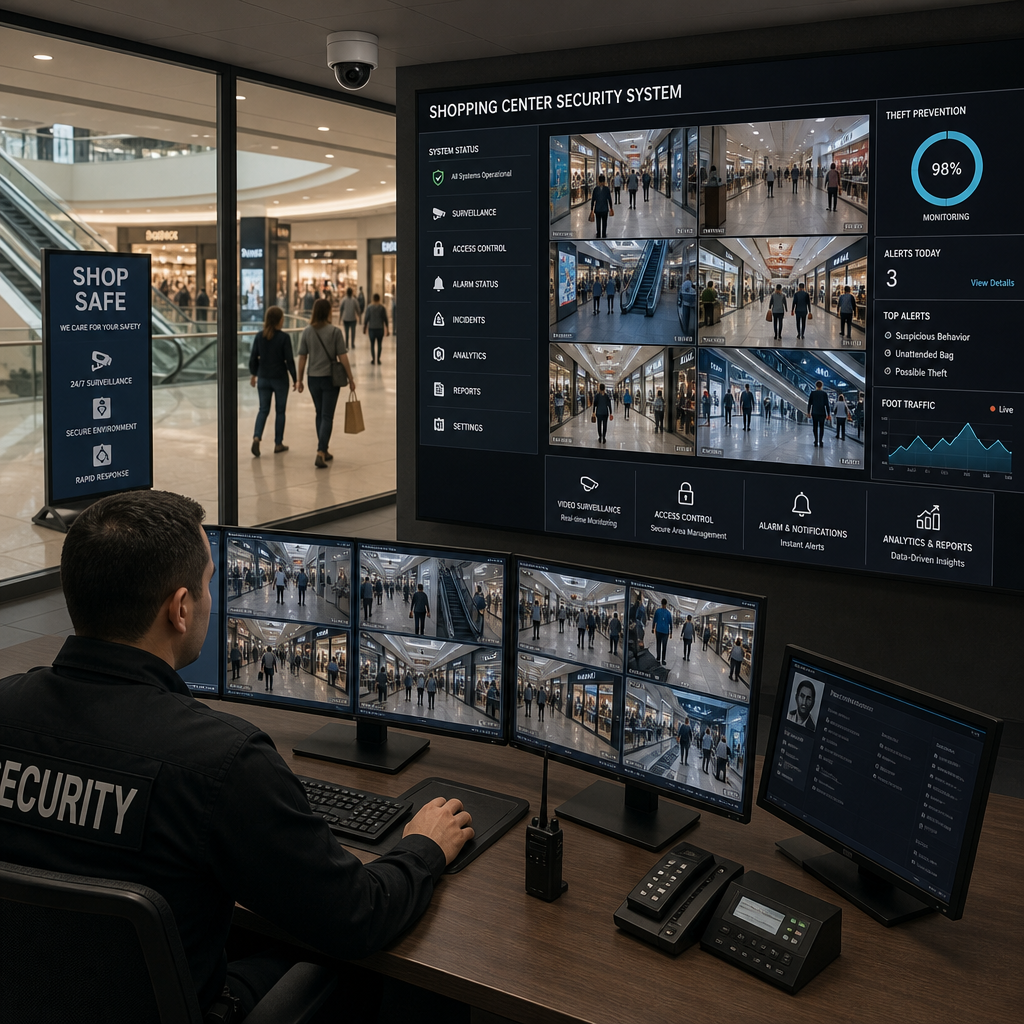
Effective merchandise protection systems are crucial for preventing shoplifting in shopping centres. In a world where the threat of shoplifting and inventory shrinkage is constantly growing, implementing innovative security concepts is essential. This blog article highlights how shopping centres can protect their stock and improve loss prevention in retail through the use of modern technologies and effective strategies.
The Importance of Merchandise Protection in Retail
Shoplifting is a widespread issue affecting shopping centres worldwide. The loss of goods due to theft can lead not only to significant financial damage but also compromise the safety and trust of employees and customers. Therefore, merchandise protection in retail is of paramount importance.
Effective merchandise protection offers several benefits:
- Protection of assets: Security systems protect goods from theft, thereby preventing financial losses.
- Deterrence of potential thieves: Visible security measures, such as surveillance cameras and alarm systems, can deter potential offenders.
- Protection of employees: Implementing appropriate systems reduces the risk for employees to encounter unsafe situations.
Types of Merchandise Protection Systems
There are various merchandise protection systems that can be employed in shopping centres. The most common include:
1. Electronic Article Surveillance (EAS)
Electronic Article Surveillance (EAS) is one of the most common methods of merchandise protection. These systems use sensors and antennas to determine whether items have been properly paid for. Sensors are attached to the goods and trigger an alarm upon leaving the store if not deactivated.
2. Video Surveillance
Video surveillance cameras are another important tool in the fight against shoplifting. Modern technologies allow for the capture of high-resolution images and videos, which can be used for both real-time monitoring and incident investigation.
3. Alarm Systems
Alarm systems are essential for securing entrances and strategically important areas. They can be equipped with motion detectors and trigger alarms in case of unauthorised access. This can also alert employees to remain vigilant.
Practical Tips for Loss Prevention
There are several measures that Swiss retailers and store operators can take to improve loss prevention and minimise shoplifting:
- Regular training: Provide your staff with regular training to raise awareness of the risks of loss and theft.
- Visible presence: A visible presence of staff in the store can deter potential thieves.
- Optimisation of store layouts: Ensure there are no areas that allow thieves to act unnoticed.
- Merchandise protection on high-value items: Particularly expensive goods should be equipped with additional security components.
- Utilise technology: Take advantage of modern technologies such as RFID systems to track goods throughout the shopping process.
The Impact of Inventory Shrinkage on Retail
Inventory shrinkage is a significant problem in retail. In addition to shoplifting, it also includes issues such as administrative errors and internal theft. A sustainable security concept helps minimise shrinkage and improve inventory efficiency.
Security Concepts for Swiss Retailers
Swiss retailers face the challenge of continually evolving their security concepts to address current threats. This requires a comprehensive strategy that integrates both technical and organisational measures. Some considerations should include:
- Regular updates of security measures due to technological advancements.
- Consideration of legal frameworks in Switzerland.
- Collaboration with security service providers to stay up-to-date with the latest security technologies.
In summary, merchandise protection is an indispensable pillar of loss prevention in retail. By implementing effective security concepts, Swiss shopping centres can not only protect their goods but also strengthen the trust of their customers and employees. By continuously adapting to new technologies and threats, they remain one step ahead in the fight against shoplifting and inventory shrinkage.